
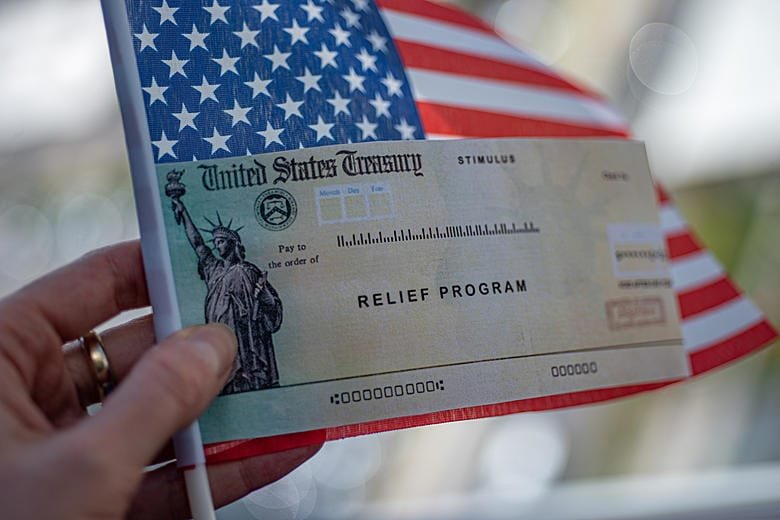
American citizens hoping for a $600 stimulus payment funded by tariff revenues will not see those checks. The Treasury Department has confirmed that the funds will instead be redirected to reduce the national debt and manage the growing deficit.
The Background of the $600 Stimulus Payment Proposal
The proposal, formally introduced as the “Reimbursement for American Workers Act,” aimed to use revenue from tariffs on foreign products to provide direct payments to U.S. households. Each adult and dependent child was expected to receive at least $600. For many families, this initiative represented a potential financial relief measure amid rising living costs.
However, despite initial support, the plan will not be implemented.
Why the $600 Stimulus Payment Will Not Happen
Treasury Secretary Scott Bessent announced that the administration’s priority has shifted. Instead of distributing the tariff revenue through direct checks, the funds—projected to exceed $300 billion—will be applied toward deficit reduction and paying down the national debt.
With the U.S. debt surpassing $37 trillion, officials have emphasized fiscal responsibility as the central focus. This decision means that Americans expecting a tariff rebate through a $600 stimulus payment will not receive such assistance for the foreseeable future.
What This Means for American Households
While households will not benefit from tariff rebate checks, the administration argues that reducing the deficit will strengthen long-term economic stability. By targeting the deficit-to-GDP ratio, policymakers believe they can create conditions that benefit the economy as a whole.
Still, for millions of Americans, the absence of a $600 stimulus payment represents a lost opportunity for immediate financial support. Many had hoped the tariff revenues would be redirected back into their pockets, but the administration’s decision makes clear that deficit reduction will take precedence.