
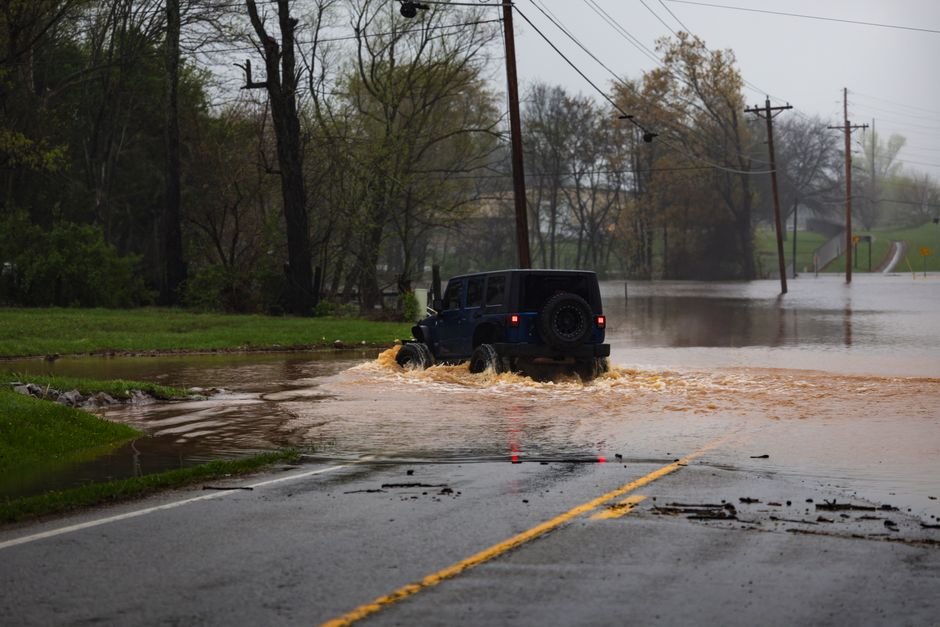
The IRS is giving the Oglala Sioux Tribe extra time to handle federal tax obligations after storms and flooding hit the area. Under the IRS tax relief for the Oglala Sioux Tribe, affected taxpayers now have until February 1, 2027, to file returns and make payments that would otherwise have been due sooner.
The relief follows a federal disaster declaration tied to the storms and flooding. It applies to taxpayers who live in or run a business within the affected tribal area, according to the IRS.
Who qualifies for the IRS tax relief for the Oglala Sioux Tribe?
The relief covers taxpayers in the area struck by the storms and flooding. Because the IRS ties this kind of postponement to a federal disaster designation, it generally reaches individuals and businesses whose records or address fall inside the covered zone.
- Individuals who live in the affected tribal area.
- Businesses that operate within the covered area.
- Others with tax records located in the disaster zone, as the IRS typically extends coverage to them in these situations.
The exact list of covered localities is set by the IRS based on the disaster declaration. The source excerpt does not spell out every category, so taxpayers who are unsure should confirm their status directly with the IRS.
What is the new deadline, and what does it cover?
The single most important date is the extended deadline. The IRS moved a range of filing and payment obligations to one common date.
- New deadline: February 1, 2027.
- What it applies to: filing returns and making payments that fall due during the relief period.
In practice, this means an affected taxpayer with a return or payment originally due before February 1, 2027, can act by that date without facing the usual late-filing or late-payment consequences during the covered window. The source material does not break out every specific return type, so check the IRS notice for the full list that applies to your situation.
How do I claim the relief?
For most people, no separate application is needed. The IRS normally applies disaster relief automatically to taxpayers whose address of record sits inside the covered area, so the extra time is granted without extra paperwork.
If you receive a late-filing or late-payment notice for a deadline that falls within the relief period, the IRS advises contacting the agency so the penalty can be corrected. Taxpayers who live outside the covered area but were still affected – for example, if their records are kept inside the disaster zone – may need to reach out to the IRS to have the relief applied.
How can I verify my eligibility and the covered dates?
Because covered localities and exact deadlines can be updated, the most reliable step is to confirm the details through official IRS channels rather than relying on secondhand summaries.
- Check the IRS website at irs.gov, which publishes disaster-relief notices listing the covered areas and the returns and payments affected.
- Contact the IRS directly if you get a penalty notice tied to a deadline inside the relief window, or if you are unsure whether your address qualifies.
This announcement was reported through MSN Money, drawing on the IRS notice granting the relief. For anything specific to your own return, the IRS itself is the authority to rely on.
Why did the IRS grant this relief?
Disaster-related tax relief exists so people recovering from an emergency are not also racing to meet routine tax deadlines. After storms and flooding affected the Oglala Sioux Tribe, the IRS postponed filing and payment dates to ease that pressure. It is a standard response the agency uses following federally declared disasters.
The relief does not erase tax obligations – it moves the deadlines. Affected taxpayers still need to file and pay, but they now have until February 1, 2027, to do so without the penalties that would normally apply to those missed dates.