You can keep working after you reach State Pension age if you choose to. There’s no rule that forces you to stop, and many people continue to work because they enjoy their jobs or want to increase their income. The law no longer sets a default retirement age of 65, so you can usually work for as long as you want.
Can You Be Forced to Retire
In most jobs, your employer cannot make you retire at a specific age. However, some roles have what’s known as a compulsory retirement age. This is only allowed if there’s a valid reason, such as:
- The job requires certain physical abilities, like in construction or emergency services
- The role has an age limit set by law, such as in the fire service
If an employer tries to force you to retire without a legal reason, it may count as age discrimination. You’re protected by law and can make a claim to an employment tribunal if you believe you’ve been treated unfairly.
Working Flexibly After Pension Age
After you reach State Pension age, you can ask your employer for flexible working arrangements. This could mean shorter hours, part-time work, or a different schedule. Employers can refuse your request if they have a valid business reason, but you’re still entitled to ask.
Claiming Your Pension While Working
You can start claiming your pension while you’re still working. You’ll qualify for different types depending on your situation:
State Pension – You can claim as soon as you reach your State Pension age. If you choose to delay (defer) it, your weekly payments will increase when you decide to start taking them.
Workplace Pension – You can claim your workplace pension at the age agreed with your pension provider. If you reduce your working hours or continue working beyond the usual retirement age, it could affect how much you receive, so it’s best to check with your employer or pension provider first.
Personal Pension – If you have a private or personal pension, you can access it from the age set by your plan, usually from age 55 (rising to 57 in 2028).
National Insurance and Tax After State Pension Age
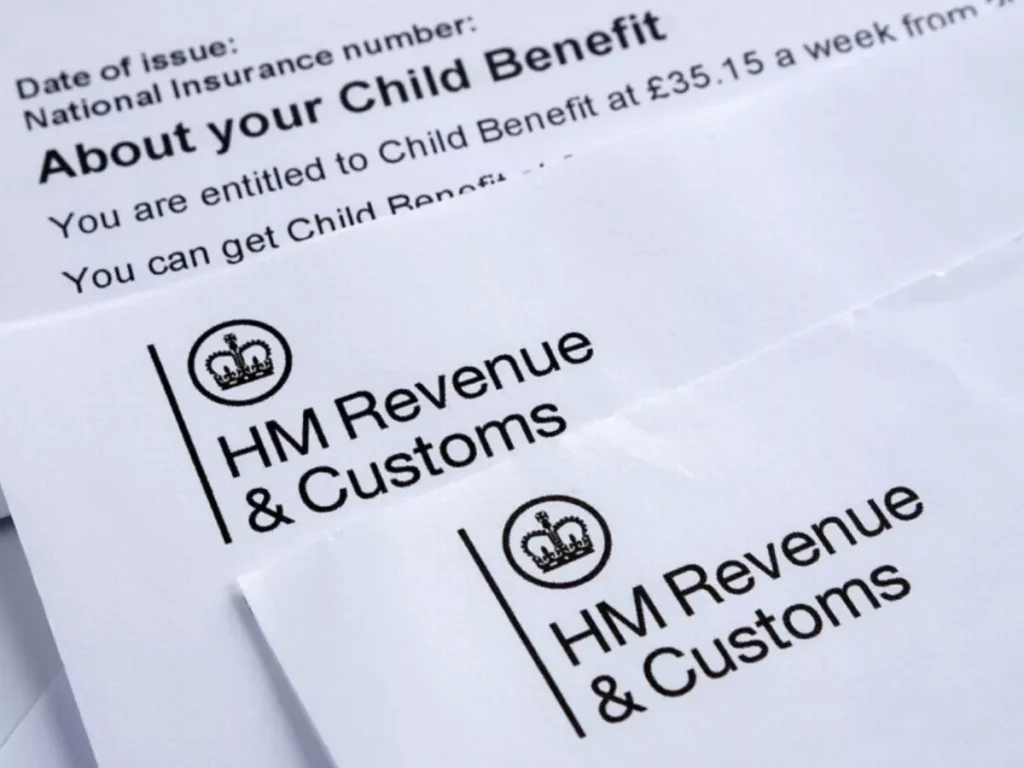
When you work past State Pension age, you no longer pay National Insurance contributions, even if you keep earning a salary. However, you may still pay income tax, depending on your total income from wages, pensions, and other sources.
You can check your tax code and make sure your employer is deducting the right amount. HMRC provides tools to calculate how much tax you’ll pay after reaching State Pension age.
Key Takeaway
Working after State Pension age gives you flexibility and extra income, without affecting your right to claim your pension. You can still receive your State Pension, continue earning from work, and enjoy higher weekly payments if you defer your claim. Just remember that while you’ll stop paying National Insurance, you might still owe income tax based on your total earnings.