
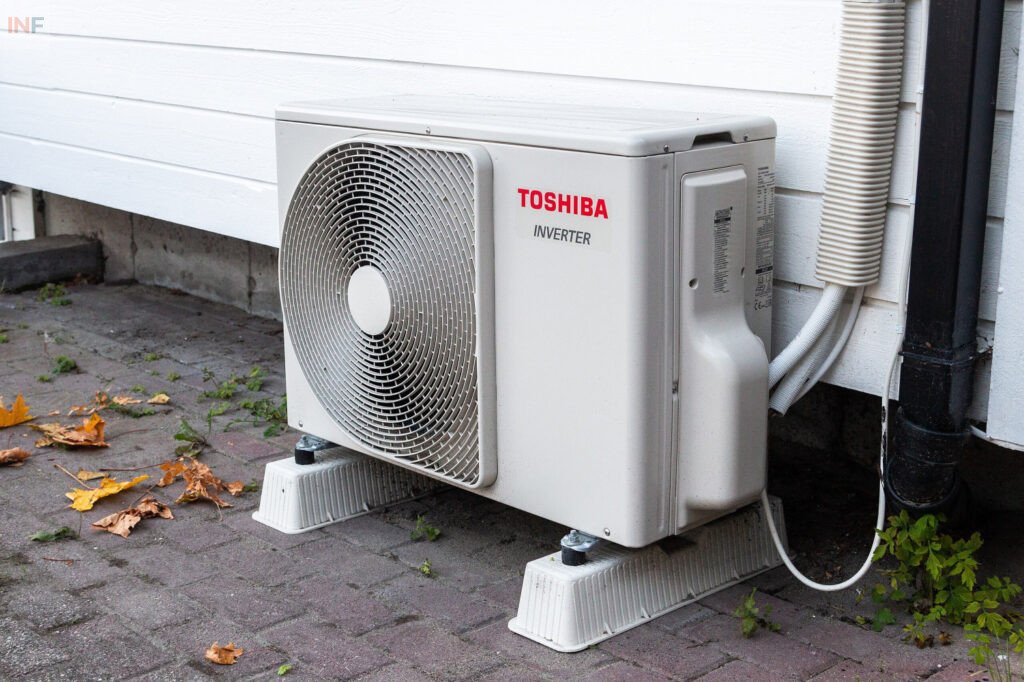
Rising energy bills and aging HVAC systems are pushing more homeowners toward heat pumps. These energy-efficient systems can both heat and cool your home while using far less electricity than traditional systems. The best part is that many homeowners can qualify for a heat pump rebate, tax incentive, or utility discount that cuts installation costs by thousands of dollars.
Although the federal 30% heat pump tax credit expired at the end of 2025, many state programs, local governments, and utility companies still offer generous rebates in 2026. Some low- and moderate-income households may also qualify for rebates worth up to $8,000 through income-based electrification programs.
This guide explains everything you need to know about heat pump rebates, eligibility requirements, available incentives, and how to maximize your savings.
What Is a Heat Pump?
A heat pump is an all-electric heating and cooling system that transfers heat instead of generating it directly. During winter, it pulls heat from outside air into your home. In summer, it reverses the process and works like an air conditioner.
Calculate Your 2026 COLA Increase →Modern heat pumps are highly efficient and can reduce electricity consumption significantly compared to older HVAC systems, furnaces, or baseboard heaters.
Common heat pump systems include:
- Ducted heat pumps
- Ductless mini-split heat pumps
- Hybrid heat pump systems
- Ground-source geothermal heat pumps
- Heat pump water heaters
Because they improve energy efficiency and reduce carbon emissions, governments and utility providers continue to fund heat pump rebate programs.
How Much Does a Heat Pump Cost?
Heat pump installation costs depend on system type, home size, ductwork requirements, efficiency rating, and installation complexity.
Average national installation costs before rebates include:
| Heat Pump Type | Average Cost Before Rebates |
|---|---|
| Ducted heat pump | $14,500+ |
| Ductless mini-split | $25,000+ |
| Hybrid heat pump system | $14,000+ |
| Geothermal heat pump | $20,000–$45,000 |
After rebates and incentives, many homeowners reduce costs by several thousand dollars.
Are Federal Heat Pump Tax Credits Still Available?
The federal Energy Efficient Home Improvement Tax Credit expired on December 31, 2025. Homeowners installing systems in 2026 or later generally cannot claim the former 30% federal tax credit.
However, some federal rebate programs are still active through state-administered programs.
Federal Heat Pump Rebates for Low- and Moderate-Income Households
The Home Electrification and Appliances Rebate (HEAR) Program still offers potential savings for qualifying households.
Eligible homeowners may receive:
- Up to $8,000 for low-income households
- Up to $4,000 for moderate-income households
To qualify:
- Household income must fall within state income thresholds
- The heat pump must meet Energy Star requirements
- Installation must typically be completed through approved contractors
As of May 2026, HEAR rebates are active in several states including:
- California
- Colorado
- Georgia
- Indiana
- Maine
- Michigan
- New York
- North Carolina
- Wisconsin
- Arizona
- Washington, D.C.
Funding is limited and availability varies by state.
Best States for Heat Pump Rebates in 2026
Several states now offer exceptionally large incentive packages for heat pump installation.
New York Heat Pump Rebates
New York homeowners may qualify for up to $24,000 through programs such as:
- NYS Clean Heat
- NYSERDA EmPower+
- Utility-sponsored rebates
Wisconsin Heat Pump Incentives
Wisconsin residents may access up to $18,900 through:
- Focus on Energy
- HOMES Program
- HEAR rebates
North Carolina Heat Pump Rebates
North Carolina programs may provide up to $16,000 in combined incentives through Energy Saver NC and utility rebates.
Georgia Heat Pump Rebates
Georgia Power and HEAR incentives can significantly reduce installation costs for qualifying homeowners.
Massachusetts Heat Pump Rebates
Mass Save continues to offer strong incentives for whole-home electrification projects.
Utility Company Heat Pump Rebates
Many utility companies provide additional rebates beyond state incentives.
SMUD Heat Pump Rebates
Homeowners served by the Sacramento Municipal Utility District (SMUD) may qualify for:
| Upgrade Type | Rebate Amount |
|---|---|
| Variable-stage gas-to-electric heat pump | Up to $3,000 |
| Two-stage heat pump conversion | Up to $2,000 |
| Electric panel upgrade bonus | Up to $2,000 |
| Electric-to-electric HVAC upgrade | Up to $1,000 |
To qualify:
- Installation must be completed by a participating contractor
- Systems must meet minimum efficiency standards
- Rebates must be submitted through approved contractors
SMUD also allows stacking with additional state and federal programs where available.
BC Heat Pump Rebates in Canada
British Columbia residents may qualify for generous heat pump rebates through programs supported by BC Hydro, FortisBC, and CleanBC.
Available BC Heat Pump Rebates
| Project Type | Rebate Amount |
|---|---|
| Whole-home heat pump | Up to $4,000 |
| Partial-home heat pump | Up to $1,500 |
| Bonus rebate for multiple upgrades | Up to $2,000 |
Additional enhanced rebates may be available through income-qualified CleanBC programs.
Eligibility usually requires:
- Installation by an approved contractor
- Meeting heating load requirements
- Submission within six months of installation
What Affects Heat Pump Installation Costs?
Several factors influence final project pricing.
System Size
Larger homes require higher-capacity systems.
Efficiency Rating
Higher SEER2-rated systems typically cost more upfront but lower long-term utility bills.
Ductwork
Installing or replacing duct systems increases costs substantially.
Installation Location
Attic, crawl space, and garage installations vary in labor complexity.
Mini-Split Head Count
More indoor units increase pricing for ductless systems.
Electrical Upgrades
Some homes require electrical panel upgrades before installation.
Brand and Equipment Quality
Premium brands often cost more but may offer better warranties and efficiency.
How to Apply for a Heat Pump Rebate
Most rebate programs follow a similar application process.
Step 1: Check Eligibility
Review income requirements, property eligibility, and approved equipment lists.
Step 2: Get Multiple Quotes
Most programs recommend obtaining at least three contractor bids.
Step 3: Choose an Approved Contractor
Many rebate programs require installation through certified contractors.
Step 4: Install the System
Ensure all invoices and supporting documents meet rebate program requirements.
Step 5: Submit Your Application
Some rebates are contractor-submitted while others require homeowner applications.
Step 6: Receive Your Rebate
Rebates may arrive as:
- Instant discounts
- Utility bill credits
- Mailed checks
- Point-of-sale reductions
Can Heat Pump Rebates Be Combined?
Yes. Many homeowners stack incentives from:
- State programs
- Utility rebates
- Income-qualified programs
- Local electrification incentives
Combining programs can reduce total installation costs dramatically.
Are Heat Pumps Worth It?
For many homeowners, heat pumps provide long-term value through:
- Lower energy bills
- Reduced maintenance
- Better indoor comfort
- Heating and cooling in one system
- Cleaner home energy use
- Higher home efficiency
With rebates available in many regions, upgrading to a heat pump can become far more affordable than many people expect.
Tips for Maximizing Heat Pump Savings
To get the biggest return on your investment:
- Install high-efficiency Energy Star systems
- Compare multiple contractor bids
- Search for local utility rebates
- Apply before funding runs out
- Bundle upgrades like insulation or panel improvements
- Verify all contractor certifications before installation
Heat pump rebate programs continue to make energy-efficient HVAC upgrades more accessible in 2026. Even though federal tax credits expired, many homeowners can still save thousands through utility incentives, state programs, and income-qualified rebates.
Whether you are replacing an outdated furnace, upgrading electric baseboard heating, or planning a full home electrification project, researching available heat pump rebates could substantially lower your upfront costs while reducing long-term energy expenses.
