
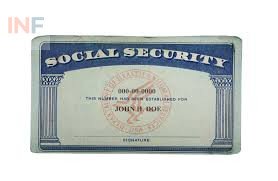
Social Security scams are rising again in 2026, with new tactics specifically targeting seniors and retirees. Recent alerts from the Social Security Administration scam awareness page show that criminals are becoming more sophisticated, using phone calls, text messages, emails, and even fake documents to steal money and personal information.
Officials warn that these scams often appear urgent and convincing. Many victims do not realize they are being targeted until it is too late.
Understanding the latest warning signs can help you avoid becoming a victim.
New Scam Tactics Reported in 2026
Recent reports show a sharp increase in impersonation scams. Fraudsters pretend to be Social Security officials and contact people with alarming messages.
Calculate Your 2026 COLA Increase →According to official updates, scammers now:
- Use caller ID spoofing to appear as government numbers
- Send fake emails with official logos and branding
- Create fraudulent websites that look like real government portals
- Use social media messages to reach potential victims
The SSA Office of Inspector General alerts confirm that fraudulent emails claiming to provide Social Security statements are increasing. These messages often include links designed to steal personal data.
In many cases, scammers claim there is a problem with your Social Security number or benefits and demand immediate action.
The Four Major Warning Signs of a Scam
The Social Security Administration highlights four key signs that almost all scams follow.
First, scammers pretend to be from a trusted agency. They may use real employee names or fake badge numbers to gain trust.
Second, they create a problem or offer a reward. For example, they may say your benefits will be suspended or that you are owed money.
Third, they apply pressure. Scammers often insist that you act immediately to avoid penalties or legal trouble.
Fourth, they demand payment in unusual ways. This includes gift cards, wire transfers, or cryptocurrency.
These patterns are consistent across most Social Security scams.
Phone and Text Scams Increasing This Month
Phone calls and text messages remain the most common methods used by scammers. Many victims receive messages claiming there is an issue with their Social Security record.
The SSA Inspector General scam warning explains that some texts warn about a Social Security number problem and ask recipients to call a number immediately. These messages often threaten legal action if you do not respond.
Scammers also stay on the phone and guide victims through payment steps. In some cases, they instruct people to buy gift cards and read the codes aloud.
These tactics rely on fear and urgency to prevent victims from verifying the information.
Email Scams and Fake Statements
Email scams are also becoming more advanced. Fraudulent emails may look identical to official communications.
The SSA fraud email warning reports a surge in messages claiming your Social Security statement is ready to download. These emails often include links or attachments that lead to fake websites.
A key warning sign is the sender address. Official Social Security emails always come from addresses ending in “.gov.” Messages from other domains should be treated as suspicious.
Clicking on these links can result in identity theft or financial loss.
What Social Security Will Never Do
Understanding what the Social Security Administration will not do is one of the best ways to avoid scams.
According to official guidance:
- The agency will not threaten you with arrest or legal action
- It will not demand immediate payment
- It will not ask for payment via gift cards or cryptocurrency
- It will not ask you to move money to a “safe” account
The official SSA scam protection guide emphasizes that most official communication is sent by mail if there is a real issue with your account.
If you receive a call or message that violates these rules, it is likely a scam.
Why Seniors Are the Primary Target
Scammers often target seniors because they are more likely to rely on Social Security benefits. Messages about benefit suspension or account problems can create panic.
Recent warnings also show that fraudsters use emotional pressure, such as fear of losing income or facing legal trouble, to force quick decisions.
In addition, many seniors may not be as familiar with digital scams, making email and text fraud more effective.
How to Protect Yourself Right Now
There are simple steps you can take to protect yourself from Social Security scams.
- Do not answer or respond to unexpected calls or messages
- Never share your Social Security number or bank details
- Avoid clicking links in unsolicited emails or texts
- Verify any claim by contacting Social Security directly
If you suspect a scam, report it immediately through the official portal.
Reporting helps authorities track fraud patterns and warn others.
Staying Alert as Scams Evolve
Social Security scams continue to evolve, with new tactics appearing each year. The rise in impersonation, fake emails, and urgent payment demands shows how quickly these schemes adapt.
Staying informed and recognizing the warning signs is the most effective way to protect your benefits and personal information.
