
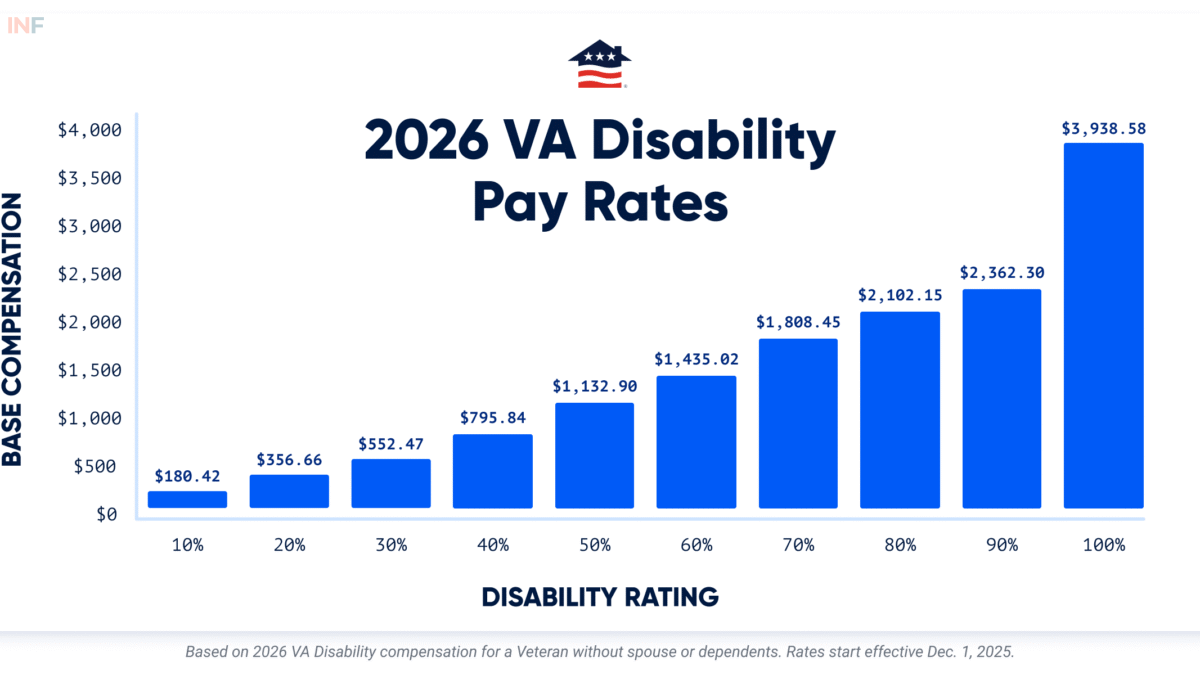
If you have been receiving VA disability benefits for 10 years or more, you may wonder whether you can still increase your rating. The answer is yes. Veterans can request a higher VA disability rating at any time, including after the 10-year mark, if their condition has worsened or if the original rating was too low.
This guide explains how the process works, what protections apply after 10 years, how to strengthen your claim, and what local VA keywords people in the U.S. search for when researching disability rating increases.
Can You Increase a VA Disability Rating After 10 Years?
Yes. Veterans can file for an increased rating at any time. The 10-year rule protects the service connection, not the rating itself. This means:
• The VA cannot remove the service connection after 10 years unless fraud is proven.
• The VA can still adjust the rating percentage up or down based on new medical evidence.
• If your condition has worsened, you can request a higher rating and submit updated medical documentation.
Many veterans file for an increase after 10 years because symptoms get worse with age, mobility changes, or new secondary conditions develop.
How the 10-Year VA Protection Rule Works
After 10 years:
• Your service connection is protected.
• The VA cannot terminate it unless there is clear evidence of fraud.
• Your disability rating can still be increased.
• Reductions are still possible, but far less common and require strong medical justification.
This rule gives veterans long-term stability, especially for chronic conditions such as:
• Back and joint issues
• Tinnitus
• PTSD
• Sleep apnea
• Neurological disorders
• Diabetes and cardiovascular conditions
If any of these conditions have become more severe, you may qualify for a higher VA disability rating.
When Can Veterans Request a Rating Increase?
You can request an increase when:
• Your symptoms have worsened
• Your condition limits daily activities more than before
• You now need mobility aids or ongoing treatment
• You have developed secondary conditions linked to your primary disability
• Your medication has increased or your treatment plan has changed
It is common for veterans over age 55 to qualify for increases due to progressive or degenerative health issues.
How to Increase Your VA Disability Rating
Here is the most effective approach:
1. Get Updated Medical Evidence
The VA relies heavily on recent medical records. Strong evidence includes:
• New doctor reports
• Imaging results (MRI, X-ray)
• Test results
• Updated diagnosis
• Statements showing functional limitations
If you receive care at a VA medical center, request a full copy of your progress notes.
2. File a Claim for Increased Compensation
You can submit the request through:
• VA.gov
• A local VA regional office
• A Veterans Service Officer (VSO)
• Accredited VA disability attorney
Choose “Increased Disability Claim” when submitting online.
3. Attend Your C&P Exam
A Compensation and Pension exam determines whether your condition has worsened. Be honest and clear about your limitations. Do not minimize symptoms.
4. Submit Lay Statements
Statements from you, family members, or caregivers can support the severity of your symptoms.
5. Add Secondary Conditions
Many veterans qualify for a higher combined rating by proving secondary issues such as:
• Chronic pain
• Depression or anxiety
• Nerve damage
• Migraines
• Sleep problems
• Mobility limitations
Secondary conditions can dramatically increase your total VA disability rating.
How Long Does It Take?
The timeline varies based on location, but in most U.S. states:
• Standard disability increase claims take 3 to 6 months
• Claims with appeals take longer
• Claims with strong medical evidence are approved faster
Submitting complete records upfront reduces delays.
Can the VA Reduce Your Rating After 10 Years?
It is possible but uncommon. To reduce your rating, the VA must prove:
• Your condition has significantly improved
• Improvement is long-term and stable
• Medical evidence clearly supports the reduction
Older veterans and those with permanent or chronic conditions face fewer reductions.
