
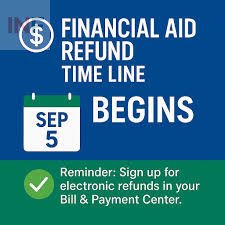
Managing financial aid can be challenging for many students, especially when trying to keep up with school expenses. Understanding how to check your FAFSA status and how the FAFSA aid refund process works will help you stay informed and plan your finances better.
How to Check the Status of Your FAFSA® Form
You can check the status of your Free Application for Federal Student Aid (FAFSA®) form by logging in to your account and viewing your application status under “My Activity.” If you have already started or submitted your FAFSA, your current status will appear automatically.
The possible statuses include the following:
Draft: Your FAFSA form is incomplete.
In Progress: You have given your consent, approval, and signature, but the FAFSA has not been submitted yet.
In Review: Your FAFSA form has been submitted but has not yet been processed.
Action Required: You need to provide consent, sign your section, or invite a required contributor. Sometimes, this status means a correction is needed.
Processed: Your FAFSA has been successfully processed, and no further action is required.
Closed: Your FAFSA form was not submitted, and the federal deadline has passed.
If you submitted a paper FAFSA form, you can check your status about seven to ten days after mailing it. To find out when your financial aid will be disbursed, contact your college or career school’s financial aid office.
Understanding FAFSA Aid Refunds
A FAFSA aid refund occurs when the financial aid you receive is more than the amount needed to cover your tuition, fees, and other direct school costs. The remaining funds are refunded to you and can be used for education-related expenses such as books, housing, or transportation.
Knowing how FAFSA aid refunds work helps students manage their funds wisely and avoid financial stress later in the semester.
What Is a FAFSA Aid Refund?
A FAFSA aid refund is the extra money you receive after your school has deducted all direct educational expenses from your financial aid package. This amount can be used to cover other academic or living expenses. Refunds are usually issued through direct deposit, a refund check, or a prepaid debit card. Direct deposit is often the fastest option.
How to Check If You Are Eligible for a Refund
To find out if you qualify for a FAFSA aid refund, review your financial aid award letter and your tuition bill. If the total aid you received from grants, scholarships, or loans is more than the cost of your tuition and fees, you may be eligible for a refund. For confirmation, contact your school’s financial aid office to verify the amount and timing of your refund.
When to Expect Your FAFSA Aid Refund
The time it takes to receive your FAFSA aid refund depends on your school’s financial aid disbursement schedule. Most schools process refunds a few weeks after the start of the semester, once tuition and fees are paid and your enrollment is verified. New students or those receiving federal loans for the first time may experience a slight delay due to federal disbursement rules.
How to Use Your FAFSA Aid Refund Wisely
Receiving a FAFSA aid refund can ease the pressure of college expenses, but it’s important to use the money responsibly. The refund should only be used for educational purposes, not for personal luxuries. Below are practical ways to use your refund wisely.
Housing
Use part of your refund to pay for rent or dormitory costs. Having secure housing allows you to focus on your studies without financial distractions.
Books and Supplies
Set aside money for textbooks, notebooks, lab equipment, and other study materials required for your courses.
Transportation
Use your refund to pay for public transport passes, fuel, or vehicle maintenance if you commute to campus.
Emergencies
Keep a small portion of your refund in savings for unexpected expenses such as medical bills or urgent repairs.
Future Tuition
Save part of your refund for the next semester’s tuition to reduce your dependence on student loans.
Paying Off Debt
If you have existing loans or credit card debt, using your refund to pay them down can help improve your financial stability.
What Not to Do with Your FAFSA Aid Refund
It can be tempting to use your refund on non-essential items, but this money is meant for education. Avoid spending your refund on shopping, entertainment, vacations, or helping friends financially. Do not use it for investments or donations until you are certain all your educational and living expenses are covered. Misusing the funds could lead to financial hardship later in the semester.
FAFSA Aid Refund FAQs
What Is a Refund Check?
A refund check is issued when your financial aid exceeds your tuition and fees. The extra funds can be used for qualified educational expenses such as books and living costs.
Why Did My College Send Me a Refund?
Your school sent you a refund because your financial aid package was higher than your tuition and fee balance. The remaining amount is released to you for other educational expenses.
Is It Okay to Spend My Refund?
Yes, you can use your refund, but it should only go toward educational needs such as housing, books, or transportation.
Do I Have to Pay Back My Refund?
If your refund comes from student loans, you will need to repay it with interest. Refunds from grants and scholarships usually do not need to be repaid.
Does a Refund Count as Income?
Refunds used for qualified educational expenses do not count as taxable income. However, money spent on non-educational items may be considered taxable.
