
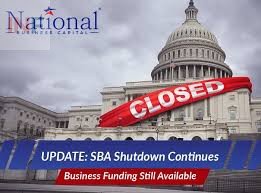
A government shutdown can quickly disrupt how the Small Business Administration (SBA) operates — and yes, the SBA is affected by a government shutdown. When Congress fails to pass a funding bill, the SBA halts many of its core functions, including most loan approvals and new application processing. For small business owners depending on SBA funding, that means delays, uncertainty, and in some cases, missed opportunities.
SBA Loan Processing Freezes During a Government Shutdown
The SBA’s most popular loan programs — 7(a) and 504 loans — are put on hold during a shutdown. Lenders can’t process or approve new loans because the SBA’s loan systems go offline. This pause affects nearly all lenders, including those with delegated authority such as Preferred Lenders (PLP) and Express Lenders.
If a loan had already received an SBA loan number before the shutdown began, the lender can move ahead with disbursement. But new applications won’t move forward until the government reopens and the SBA resumes normal operations.
David Bybee, Senior Vice President of Government Guaranteed Lending at First Internet Bank, explains:
Calculate Your 2026 COLA Increase →“For small businesses counting on SBA support, it’s a waiting game that can impact cash flow, hiring, and growth plans.”
Lenders Still Support Existing Borrowers
Even though new loan approvals stop, SBA lenders continue to service and manage existing loans. Borrowers can still contact their lenders for account management, payment issues, or guidance on preparing for a future loan submission once the shutdown ends.
However, even after operations resume, approvals don’t happen overnight. As Brennan Quenneville from Grasshopper Bank notes, past shutdowns have caused significant backlogs as the SBA works through the flood of pending applications.
Are SBA Microloans Affected by a Government Shutdown?
No. The SBA Microloan Program continues to function normally during a shutdown. These loans are funded in advance through intermediary lenders, allowing the program to keep running even when other SBA operations stop.
SBA Disaster Loans Continue — With Delays
SBA disaster loans remain available during a government shutdown, but processing will slow down. With fewer staff members on duty, borrowers should expect longer wait times for approvals and customer service responses. Despite delays, the program stays open to support communities recovering from natural disasters or emergencies.
Loan Payments Must Continue During a Shutdown
Borrowers must still make payments on their SBA loans — regardless of program type. Payments for 7(a), 504, and Microloans go directly to the lender, while disaster loan payments are made to the SBA through the MySBA Loan Portal or by phone.
Starting October 1, 2026, the SBA will only accept electronic payments. Any physical checks mailed after that date will be returned.
Other SBA Programs Impacted by a Shutdown
The SBA has outlined which of its services continue during a government shutdown and which stop. Here’s what to expect:
Programs that Continue:
- SBA Resource Partners like Small Business Development Centers, Women’s Business Centers, SCORE, and Veteran Business Outreach Centers will keep providing training and counseling.
- SBIR and STTR programs under the Small Business Innovation Research and Technology Transfer initiatives will continue to issue grants.
Programs that Pause:
- SBA contracting programs, including the 8(a) Business Development, Women-Owned Small Business, and Service-Disabled Veteran-Owned Small Business programs, will pause.
- The HUBZone program is the exception — it continues to accept and process applications.
How Long-Term Shutdowns Affect SBA Lending
Short shutdowns usually cause temporary slowdowns. But if a funding freeze lasts beyond 30 days, the situation can become more serious. New loan deals may collapse, lenders face tighter liquidity, and small businesses could lose vital opportunities to buy property, hire staff, or expand operations.
Bob Coleman, publisher of the Coleman Report, notes that lenders can continue preparing files and underwriting, but no new SBA guarantees can be finalized until the government reopens.
What Small Business Borrowers Can Do
1. Stay in touch with your lender.
Ask your lender about your loan status and next steps. Even if they can’t process approvals, they can help you organize your documents.
2. Get your paperwork ready.
SBA loans require extensive documentation. Use the downtime to gather tax returns, business financials, and ownership records so your application is ready once the SBA reopens.
3. Keep making your payments.
Falling behind on loan payments during a shutdown can lead to penalties or damage your credit. Contact your lender immediately if you’re struggling to pay.
Alternatives to SBA Loans During a Shutdown
If the SBA can’t issue new loans during the shutdown, there are other funding options to consider:
Business Bank Loans
Traditional bank loans offer low rates and long repayment terms, but they require strong credit, steady revenue, and at least two years in business.
Best for: Established businesses with strong financials.
Online Business Loans
Online lenders can fund loans quickly — sometimes in a day. They’re more flexible with eligibility but usually come with higher interest rates.
Best for: Startups, borrowers with poor credit, or those needing fast cash.
Community and Nonprofit Lenders
Community-based lenders and nonprofit organizations often support underserved business owners, including women, veterans, and minority entrepreneurs.
Best for: Borrowers seeking fair terms, coaching, and business education.
Is SBA Affected by Government Shutdown?
Yes — SBA loans and approvals are directly affected by a government shutdown. New applications freeze, existing approvals slow down, and small businesses may need to seek short-term funding elsewhere.
While SBA microloans and disaster loans remain available, most other SBA-backed financing programs stall until Congress passes a new funding bill. Borrowers can use this time to prepare applications, communicate with lenders, and explore alternative funding sources to stay afloat until operations resume.
