
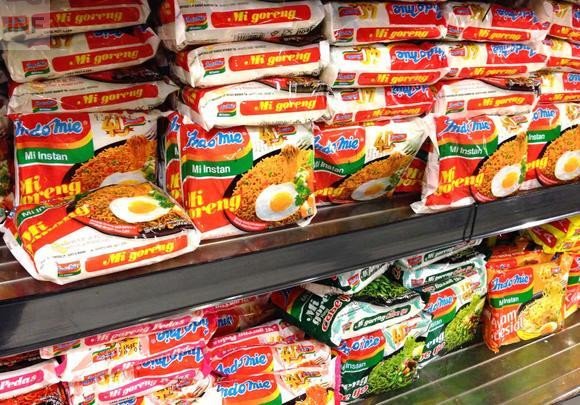
If you are looking for a high-demand, low-risk business to start in Ghana, the wholesale and distribution of Indomie and spaghetti is one of the smartest moves you can make. These products sell fast because they are affordable, easy to cook, and loved nationwide. In fact, Indomie has become a household name in Ghana — from students and workers to families, everybody consumes it.
In this guide, I’ll walk you through five simple steps to start your own Indomie and spaghetti wholesale or distribution business in Ghana, even if you’re working with a tight budget.
Step 1: Understand the Market and Choose Your Business Model
Before you spend any money, carry out proper market research. Ask yourself:
- Who will buy from me? (Retail shops, supermarkets, restaurants, schools, chop bars, or individuals?)
- Which brands sell fastest in my area? (Indomie, Tasty Tom, Golden Penny, Dangote, etc.)
- What are my competitors doing with pricing, delivery, and discounts?
Once you have this information, decide on your business model:
Calculate Your 2026 COLA Increase →- Small-scale retailer/sub-wholesaler: You can start with GHS 20,000 – GHS 60,000, buying in cartons and selling to local shops.
- Wholesaler/distributor: If you want to supply bulk orders to markets, warehouses, and schools, you’ll need a bigger budget of GHS 100,000 and above.
Step 2: Register Your Business and Get the Right Approvals
Registering your business makes it official and builds customer trust. At minimum, you should:
- Register your business name with the Registrar General’s Department (RGD).
- Get a Business Operating Permit from your local assembly.
- For large-scale distribution, consider registering with the Food and Drugs Authority (FDA) if needed.
This helps you avoid legal issues and positions you as a credible supplier.
Step 3: Find a Good Location and Storage Space
Your location and storage facility will make or break your business. Look for:
- A shop, warehouse, or storage space close to busy markets or residential areas.
- A dry, ventilated space to keep your products fresh and free from moisture.
- Easy access for transport vehicles to load and offload goods.
You should also plan delivery options. You can start small by partnering with motor riders or hiring a van to deliver bulk orders to your customers.
Step 4: Partner With Reliable Suppliers
Your supplier relationship is the backbone of this business. Without reliable supply, you risk delays and lost customers. Always:
- Buy directly from manufacturers or authorized distributors such as DUFIL Prima Foods (producers of Indomie), Golden Penny, Dangote, or local importers of spaghetti brands.
- Avoid middlemen — they usually sell at higher prices, leaving you with little profit.
- Compare prices, check for bulk purchase discounts, and negotiate good payment terms.
Step 5: Market Your Business and Attract Customers
Once your business is set up, you need to promote it actively to get steady sales. Here’s how:
- Use social media platforms like Facebook, WhatsApp, and Instagram to advertise your products and take orders.
- Offer discounts for bulk buyers (e.g., a customer buying 50 cartons).
- Provide reliable delivery services to stand out from competitors.
- Build strong customer relationships by delivering on time, selling only fresh stock, and handling complaints politely.
How Much Do You Need to Start in Ghana?
Your startup capital depends on the scale of business you want to run:
- Small scale (retailer/sub-wholesaler): From GHS 20,000 – GHS 60,000.
- Medium scale (shop outlet with delivery service): From GHS 100,000 – GHS 300,000.
- Large scale (warehouse supply, trucks, bulk distribution): GHS 500,000 and above.
The good news is you don’t have to start big. You can begin small and scale up as your customer base grows.
Starting an Indomie and spaghetti wholesale and distribution business in Ghana is a profitable idea because of constant demand. Whether you start small from a shop or go big as a major distributor, the key to success lies in:
- Doing proper market research
- Registering your business
- Choosing the right location and storage
- Partnering with reliable suppliers
- Marketing consistently
With the right strategy, this business can give you steady daily sales and long-term profits.
